

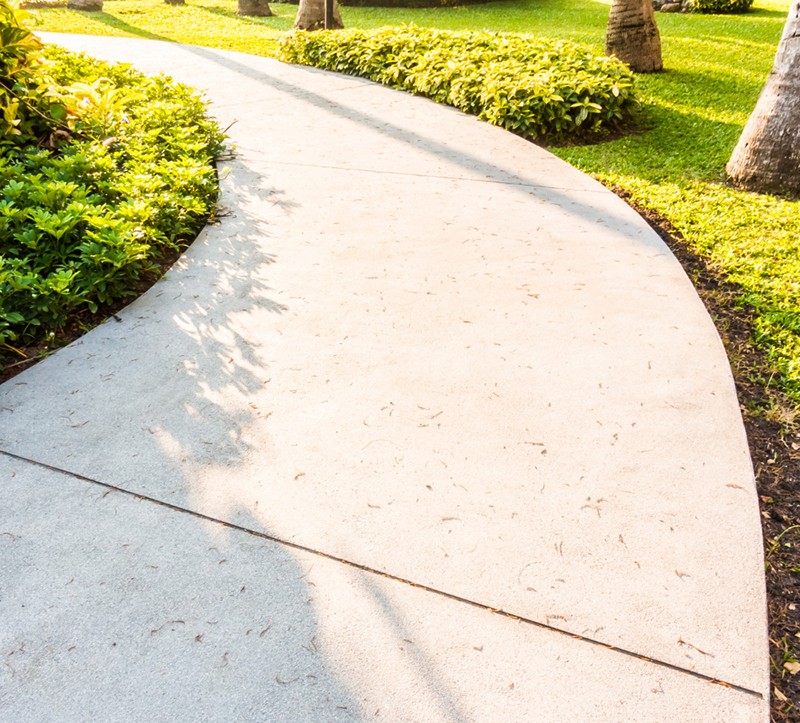
A concrete driveway is one of the most durable and cost-effective investments a homeowner can make. When properly installed and maintained, it can last 30 years or more. However, without routine care, even the best-built driveway can develop cracks, stains, and surface deterioration over time. Whether your driveway is brand new or several years old, following the right maintenance practices in 2026 will help you protect your investment and keep it looking its best.
Why Concrete Driveway Maintenance Matters
Many homeowners assume that concrete requires little to no upkeep once it is poured. While concrete is certainly low-maintenance compared to asphalt, it is not maintenance-free. Exposure to vehicle traffic, fluctuating temperatures, moisture, and chemical spills can gradually degrade the surface. Proactive maintenance is far more affordable than a full driveway replacement, making it a smart priority for any homeowner.
Essential Concrete Driveway Maintenance Tips for 2026
1. Clean Your Driveway Regularly
One of the simplest yet most effective ways to maintain your concrete driveway is regular cleaning. Dirt, oil, grease, and leaf debris can penetrate the surface over time, leading to staining and surface deterioration.
- Sweep your driveway at least once a week to remove loose debris.
- Pressure wash the surface two to three times per year to remove deep-set grime and biological growth such as moss or mildew.
- For oil or grease stains, use a concrete degreaser and a stiff bristle brush as soon as spills occur. The longer a stain sits, the harder it is to remove.
2. Apply a Quality Concrete Sealer
Sealing is one of the most impactful maintenance steps you can take. A concrete sealer creates a protective barrier against water infiltration, UV rays, freeze-thaw cycles, and chemical exposure.
- Apply sealer every 2–3 years, or as recommended by your contractor based on local climate conditions.
- Choose a penetrating sealer for high-traffic driveways, as it bonds within the concrete rather than sitting on the surface.
- Always clean and allow the driveway to dry completely before applying sealer.
In regions with extreme heat or cold such as California’s Central Valley sealing is especially important to counteract soil movement and thermal expansion.
3. Address Cracks Early
Small cracks are inevitable over time, but ignoring them allows water to seep in, widen the crack through freeze-thaw cycles, and eventually cause serious structural damage.
- Inspect your driveway at least twice a year ideally in spring and fall.
- Fill hairline cracks with a quality concrete crack filler or polyurethane sealant.
- For cracks wider than ¼ inch, consult a professional concrete contractor. These may indicate a deeper foundation issue that requires expert attention.
4. Avoid Harmful Chemicals and De-Icers
Many homeowners are unaware that certain common products can damage a concrete driveway surface significantly.
- Avoid rock salt (sodium chloride) as a de-icer. It accelerates the freeze-thaw cycle within the concrete, causing surface scaling and spalling.
- Instead, use sand for traction during icy conditions, or opt for concrete-safe de-icers made with calcium magnesium acetate (CMA).
- Keep fertilizers and lawn chemicals off the driveway surface, as many contain compounds that react negatively with concrete.
5. Control Water Drainage
Poor water drainage is a leading cause of concrete driveway damage. Standing water weakens the sub-base beneath the slab and can lead to sinking, cracking, or upheaval.
- Ensure your driveway slopes slightly away from your home’s foundation to direct runoff.
- Clear gutters and downspouts regularly so that roof runoff does not pool on or around the driveway.
- If you notice chronic pooling after rainfall, consult a contractor about improving the grading or adding drainage channels.
6. Be Mindful of Heavy Loads
Standard residential concrete driveways are designed to handle typical passenger vehicles. However, heavy equipment such as moving trucks, delivery vehicles, or construction machinery can exceed the load capacity of the slab.
- When possible, avoid parking heavy vehicles on residential concrete for extended periods.
- Place wooden boards or panels under vehicle jacks or heavy equipment to distribute weight more evenly.
- If you regularly host heavy-duty vehicles, speak with your contractor about upgrading to a thicker slab with reinforced steel during installation or replacement.
7. Protect the Edges
The edges of a concrete driveway are its most vulnerable points. They lack the lateral support of the surrounding surface and are prone to chipping and cracking.
- Avoid driving or parking on the very edges of the driveway.
- Landscape edging or border materials can help protect and reinforce the perimeter.
- Do not allow soil or mulch to build up against the driveway edge, as retained moisture accelerates deterioration.
Seasonal Maintenance Checklist
Spring
- Inspect for cracks or damage caused by winter conditions
- Power wash the entire surface
- Apply crack filler where needed
- Reseal if due
Summer
- Keep the surface clean and free of debris
- Avoid extended parking of heavy vehicles during peak heat
- Water edges occasionally to reduce shrinkage cracking
Fall
- Remove leaves promptly to prevent staining
- Inspect drainage paths
- Prepare the surface for winter by resealing if necessary
Winter
- Use concrete-safe de-icers only
- Avoid metal snow shovels that can scratch the surface use a plastic blade instead
- Clear snow promptly to minimize freeze-thaw exposure
Frequently Asked Questions (FAQs)
Q: How long does a concrete driveway last with proper maintenance?
A: With regular sealing, cleaning, and timely crack repair, a well-installed concrete driveway can last 30 to 50 years.
Q: How often should I seal my concrete driveway?
A: Generally, every 2 to 3 years is recommended. However, driveways in high-traffic areas or extreme climates may benefit from annual sealing.
Q: Can I repair concrete driveway cracks myself?
A: Small hairline cracks can be repaired with DIY concrete filler products. However, cracks wider than ¼ inch, or those showing signs of sinking or shifting, should be evaluated by a professional contractor.
Q: What is the best way to remove oil stains from a concrete driveway?
A: Apply a commercial concrete degreaser or dish soap directly to the stain, scrub with a stiff brush, and rinse thoroughly with a pressure washer. For set-in stains, a poultice made with baking soda or cat litter left overnight can help draw out the oil.
Q: Why is my concrete driveway flaking or scaling?
A: Surface scaling is typically caused by freeze-thaw damage, the use of harsh de-icers, or poor finishing during installation. A professional can assess whether resurfacing or replacement is the appropriate solution.
Conclusion
Maintaining your concrete driveway does not require significant time or expense but it does require consistency. Routine cleaning, timely crack repair, proper sealing, and smart seasonal habits will dramatically extend the life of your driveway and preserve your home’s curb appeal for decades to come.
If you are considering a new driveway installation or need professional guidance on repairs and maintenance in the Central Valley region, Valley Pro Concrete LLC offers expert residential concrete services built to last. Their commitment to proper base preparation, quality materials, and structural integrity ensures that your driveway stands up to the demands of everyday use year after year.