
Concrete is known for its strength, but even the toughest structures can weaken over time. Constant exposure to moisture, changing temperatures, heavy loads, poor construction practices, and natural aging can all lead to cracks, spalling, settlement, and structural damage. When these issues are ignored, they may affect not only the appearance of a building but also its stability and safety.
Professional structural concrete repairs Services play a vital role in restoring damaged concrete before minor issues become major structural problems. Skilled repair specialists evaluate the condition of the structure, identify the root cause of the damage, and use proven repair methods to restore strength, durability, and long-term performance.
Whether it is a residential foundation, commercial building, parking structure, retaining wall, bridge component, or industrial facility, timely repairs help protect your investment while extending the life of the concrete. Understanding how these repair services work can help property owners make informed decisions before structural damage becomes more expensive to fix.
Why Concrete Structures Become Damaged
Concrete is incredibly durable, but it is not immune to deterioration. Every structure experiences stress throughout its lifetime. Environmental conditions and daily use slowly affect its performance.
Some of the most common causes of structural concrete damage include:
Water Penetration
Water is one of the biggest threats to concrete. Moisture can seep into small cracks and reach the reinforcing steel inside. As steel begins to rust, it expands, creating pressure that causes additional cracking and concrete separation.
Freeze and Thaw Cycles
In colder climates, trapped water freezes and expands. This repeated cycle gradually weakens the concrete surface and creates larger cracks over time.
Heavy Structural Loads
Buildings, driveways, parking garages, warehouses, and industrial floors constantly carry significant weight. Overloading or years of continuous stress may lead to structural movement and cracking.
Poor Initial Construction
Improper concrete mixing, inadequate reinforcement, insufficient curing, or poor workmanship can shorten the lifespan of a concrete structure.
Soil Movement
Expanding or settling soil beneath foundations often causes uneven support, leading to structural cracks and foundation movement.
Chemical Exposure
Industrial facilities and parking structures are often exposed to chemicals, salts, and other corrosive substances that gradually deteriorate concrete.
Recognizing these causes early allows repairs to begin before significant structural damage develops.
Signs Your Structure Needs Structural Concrete Repairs Services
Visible damage often provides early warning signs that should never be ignored.
Common indicators include:
- Large or widening cracks
- Concrete spalling or surface flaking
- Exposed reinforcing steel
- Rust stains on concrete surfaces
- Uneven floors
- Foundation settlement
- Bowing walls
- Water infiltration
- Concrete separation
- Loose concrete sections
These signs may appear minor at first, but they often indicate deeper structural concerns that require professional evaluation.
How Structural Concrete Repairs Services Restore Structural Integrity
Professional repair work focuses on restoring both the appearance and the structural performance of damaged concrete. Every repair begins with identifying the true cause rather than simply covering visible damage.
Complete Structural Inspection
Every successful repair starts with a detailed assessment.
Professionals inspect:
- Crack patterns
- Structural movement
- Reinforcement condition
- Moisture intrusion
- Foundation stability
- Load-bearing capacity
Modern inspection equipment helps locate hidden damage that cannot be seen from the surface.
Once the underlying problem is identified, engineers or experienced contractors recommend the most effective repair solution.
Crack Repair and Injection
Not every crack threatens structural safety, but some allow water to enter and weaken reinforcement.
Epoxy injection is commonly used for structural cracks because it bonds separated concrete sections together, restoring much of their original strength.
For active cracks that continue moving, flexible polyurethane materials may be used to prevent water infiltration while allowing slight movement.
Proper crack repair prevents further deterioration and protects internal reinforcement.
Reinforcement Restoration
Steel reinforcement provides much of concrete’s strength.
When moisture reaches reinforcing bars, corrosion begins. Rust expands and forces surrounding concrete apart.
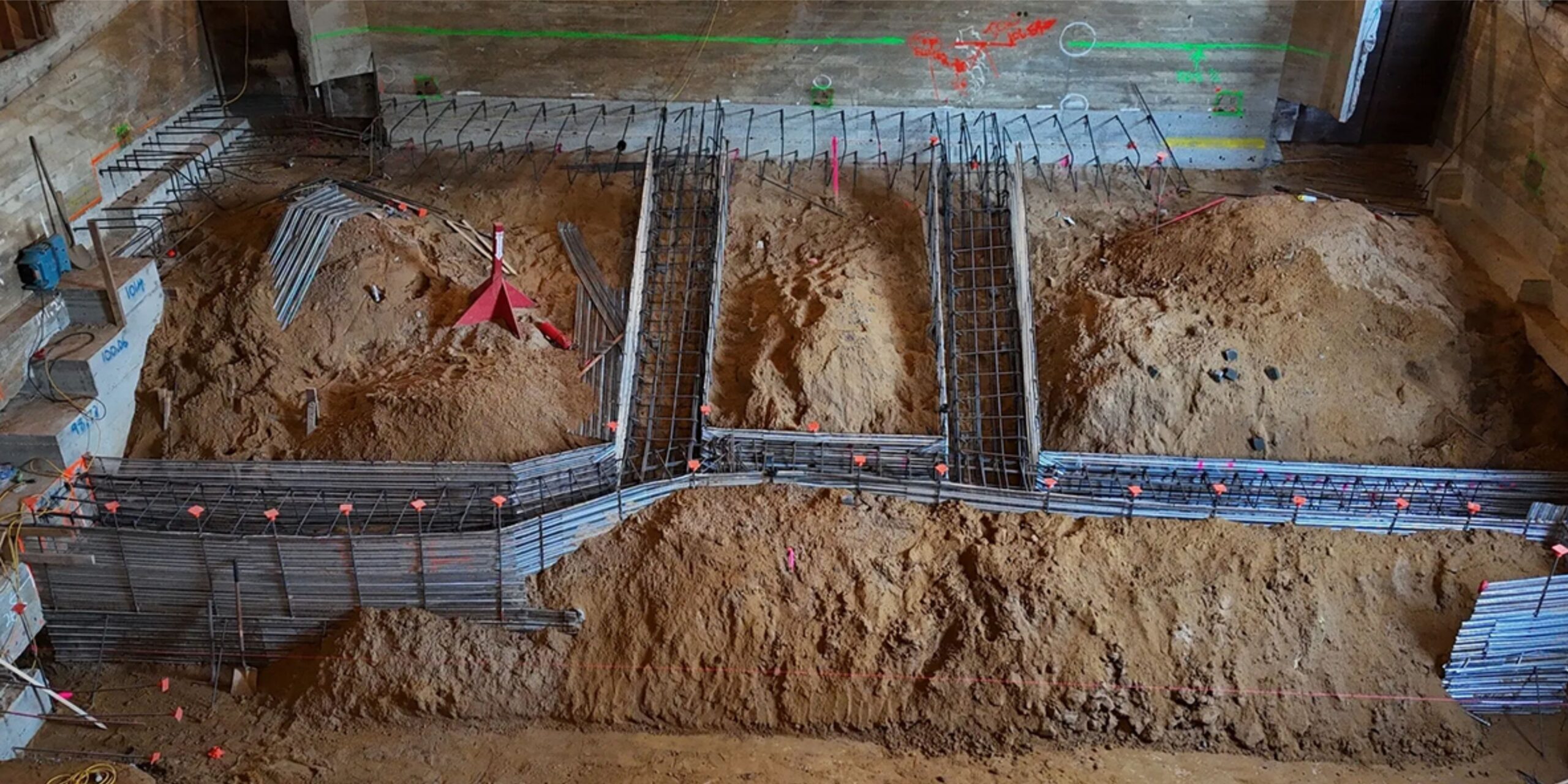
Repair specialists remove deteriorated concrete, clean or replace damaged steel, apply corrosion protection, and install new repair materials.
This process restores the structural capacity of reinforced concrete elements.
Concrete Removal and Replacement
Some damaged sections cannot be repaired with surface treatments alone.
Contractors carefully remove weak or deteriorated concrete while preserving surrounding structural components whenever possible.
High-strength repair materials are then placed to restore the original shape and load-bearing capability.
Modern repair mortars bond exceptionally well with existing concrete, creating durable long-term repairs.
Structural Strengthening Systems
Certain structures require additional reinforcement beyond basic repairs.
Depending on engineering recommendations, strengthening methods may include:
- Carbon fiber reinforcement
- Steel plate bonding
- External post-tensioning
- Additional reinforcing steel
- Concrete jacketing
These systems increase structural capacity while extending the service life of aging buildings.
How Repairs Improve Safety
Safety remains the primary reason for repairing structural concrete.
Damaged concrete may eventually lead to:
- Falling concrete pieces
- Structural instability
- Foundation movement
- Reduced load capacity
- Water-related deterioration
- Increased repair costs
Professional repairs restore confidence in the structure by addressing these risks before they become emergencies.
Safe buildings protect occupants, employees, customers, and visitors.
Long-Term Benefits of Professional Concrete Repairs
Choosing experienced repair professionals provides benefits that extend far beyond the immediate repair.
Longer Service Life
Repairing concrete before severe deterioration develops can extend the lifespan of the structure by decades.
Instead of complete replacement, timely repairs preserve existing construction while reducing future maintenance needs.
Lower Overall Costs
Minor structural repairs are significantly less expensive than rebuilding damaged structural elements.
Addressing issues early helps property owners avoid emergency repairs and costly reconstruction.
Improved Property Value
Well-maintained structures attract buyers, tenants, and investors.
Visible structural damage often lowers property value and raises concerns during inspections.
Professional repairs help preserve long-term market value.
Better Appearance
Although structural performance is the primary goal, repaired concrete also improves the appearance of homes and commercial properties.
Removing damaged sections creates cleaner, more professional-looking surfaces.
Greater Structural Reliability
Owners gain peace of mind knowing their building has been properly evaluated and repaired using industry-approved techniques.
Reliable structures perform better during daily use and changing environmental conditions.
Choosing the Right Contractor
Not every concrete contractor specializes in structural repair.
When selecting a contractor, consider:
- Years of structural repair experience
- Knowledge of engineering repair methods
- Proper licensing and insurance
- Quality repair materials
- Thorough inspection process
- Clear communication
- Strong customer reviews
- Commitment to safety standards
An experienced contractor focuses on solving the underlying structural issue instead of offering temporary cosmetic fixes.
Preventing Future Structural Damage
While some deterioration is unavoidable, routine maintenance helps reduce future repair needs.
Helpful preventive measures include:
- Inspect concrete annually.
- Repair small cracks quickly.
- Maintain proper drainage around foundations.
- Keep expansion joints sealed.
- Prevent standing water.
- Address plumbing leaks promptly.
- Avoid excessive structural loading.
- Schedule professional inspections after severe weather or earthquakes.
Preventive maintenance often saves thousands of dollars over the life of a structure.
Why Timely Repairs Matter
Structural damage rarely improves on its own.
Small cracks may eventually allow water infiltration.
Water causes reinforcement corrosion.
Corrosion leads to concrete expansion.
Expansion creates larger cracks.
Eventually, structural strength begins to decline.
Breaking this cycle early helps preserve the building while avoiding expensive reconstruction.
Delaying repairs usually increases repair costs because damage spreads into additional structural components.
Prompt action protects both safety and long-term property value.
Conclusion
Strong concrete structures are essential for protecting homes, businesses, and the people who use them every day. While concrete is built to last, years of environmental exposure, moisture, heavy loads, and natural aging can gradually weaken even the most durable structures. Early inspection and professional repairs prevent small issues from becoming major structural failures.
Investing in expert repair solutions helps restore strength, improve safety, extend service life, and reduce long-term maintenance costs. Every repair should address the root cause of the damage rather than simply hiding visible cracks or surface defects.
At Valley Pro Concrete, we understand the importance of delivering reliable structural repair solutions that restore confidence in your property. Our experienced team uses proven repair methods, quality materials, and careful workmanship to ensure every project meets the highest standards of durability and safety. Whether your structure requires crack repair, reinforcement restoration, or complete structural rehabilitation, timely action today can protect your investment for many years to come.
Frequently Asked Questions
1. What are structural concrete repairs?
Structural concrete repairs restore damaged concrete elements that affect the
strength, stability, or safety of a structure. These repairs may include crack
injection, reinforcement replacement, concrete restoration, and structural
strengthening.
2. How do I know if my concrete damage is structural?
Large cracks, uneven floors, exposed reinforcing steel, foundation settlement,
bowing walls, or falling concrete pieces may indicate structural damage.
A professional inspection is the best way to determine the severity.
3. How long do structural concrete repairs last?
When completed correctly using quality materials and proper repair methods,
structural concrete repairs can last for decades with regular maintenance
and routine inspections.
4. Can damaged concrete be repaired instead of replaced?
Yes. Many concrete structures can be successfully restored without complete
replacement. The appropriate repair method depends on the extent of the damage
and the overall condition of the structure.
5. Why should structural concrete repairs be completed quickly?
Delaying repairs allows cracks to grow, moisture to penetrate deeper,
and reinforcing steel to corrode further. Early repairs reduce costs,
improve safety, and extend the life of the structure.