

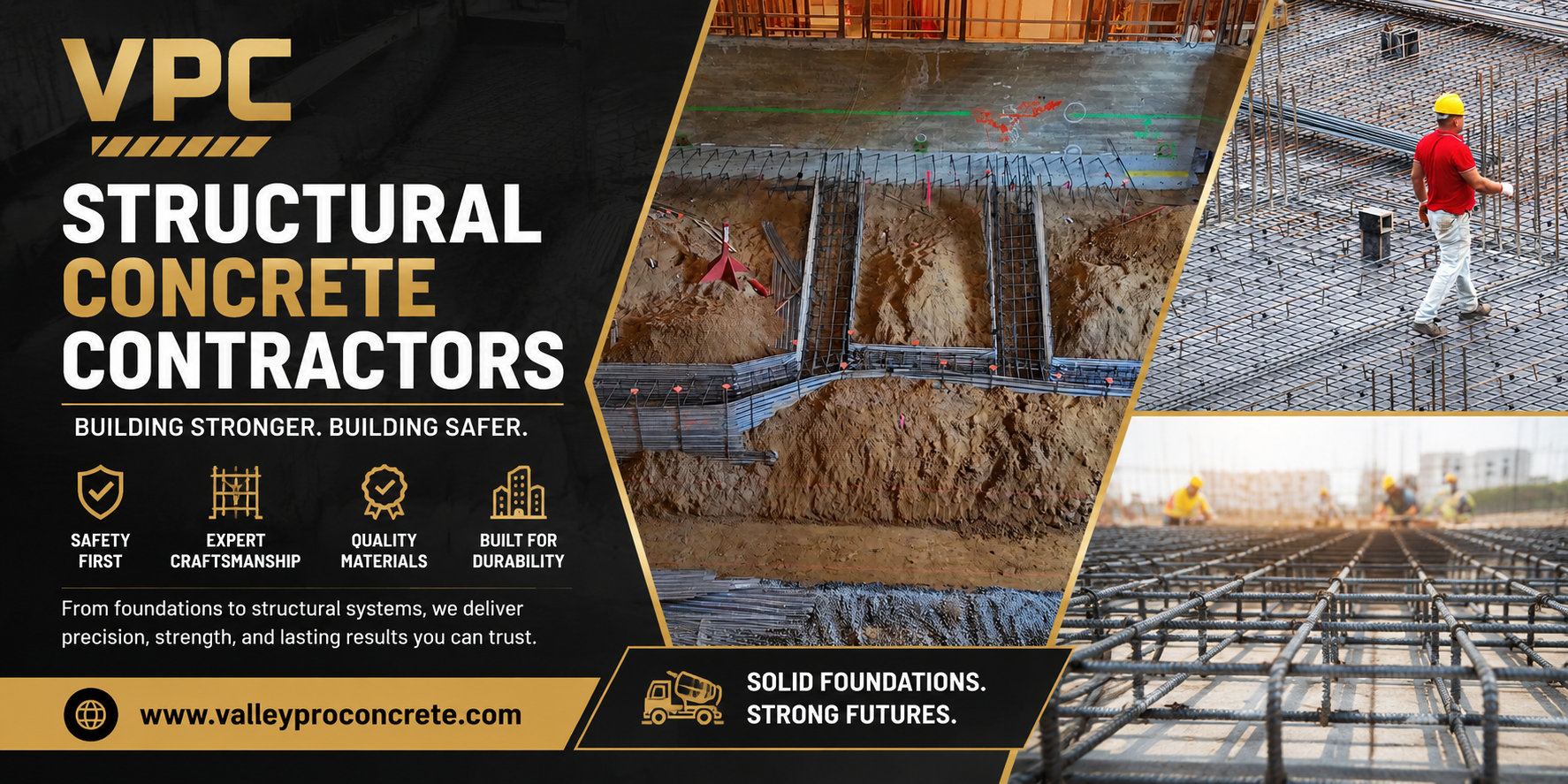
Every strong building starts with a solid foundation. Whether it is a home, commercial property, parking structure, or industrial facility, the quality of the concrete work plays a major role in its safety and lifespan. This is where structural concrete contractors become essential. These professionals specialize in designing, preparing, and installing structural concrete elements that support buildings and help them withstand daily use, weather conditions, and the test of time.
By combining technical expertise, quality materials, and proven construction practices, structural concrete professionals ensure that buildings remain stable, secure, and durable for years to come. In this guide, we will explore how they achieve these results and why hiring experienced contractors matters.
The Critical Role of Structural Concrete Contractors
Structural concrete forms the backbone of many construction projects. It is used in foundations, slabs, columns, beams, retaining walls, and other load-bearing elements.
Understanding Structural Requirements
Before construction begins, contractors carefully review project plans and engineering specifications. This helps ensure that every structural component meets the required load-bearing standards and local building codes.
Their responsibilities often include:
- Site preparation and excavation
- Foundation installation
- Reinforcement placement
- Concrete pouring and finishing
- Quality control inspections
- Structural repairs and upgrades
A properly executed structural concrete project reduces the risk of future issues such as cracking, settling, or structural failure.
Working With Engineers and Builders
Experienced contractors collaborate closely with architects, engineers, and project managers. This teamwork helps ensure that structural elements are built exactly as designed while maintaining safety throughout the construction process.
How Structural Concrete Contractors Deliver Long-Lasting Results
The durability of a building depends heavily on the quality of its structural concrete work.
Using High-Quality Materials
Reliable contractors understand that strong structures begin with quality materials. They select concrete mixes designed to meet specific strength and performance requirements.
Key materials may include:
- High-strength concrete mixes
- Reinforcing steel (rebar)
- Fiber-reinforced concrete
- Moisture-resistant additives
- Protective sealants
The right combination of materials improves strength, reduces deterioration, and extends the life of the structure.
Proper Reinforcement Installation
Concrete is extremely strong in compression but less effective under tension. Reinforcement materials such as steel rebar provide additional strength and help prevent cracking.
Professional contractors carefully position reinforcement according to engineering plans to maximize structural integrity and load distribution.
Correct Concrete Placement Techniques
Even the best materials can fail if they are not installed properly. Skilled contractors use proven concrete pouring techniques to avoid issues like:
- Air pockets
- Weak spots
- Uneven curing
- Surface defects
Attention to detail during placement contributes directly to a stronger and more durable finished product.
Quality Control Measures That Improve Safety
Safety is one of the primary goals of structural concrete construction.
Thorough Site Evaluation
Before work begins, contractors evaluate soil conditions, drainage patterns, and site stability. Understanding these factors helps prevent foundation movement and structural settlement.
Compliance With Building Codes
Building codes exist to protect occupants and property owners. Structural concrete professionals follow local regulations and industry standards throughout the construction process.
This includes:
- Meeting minimum strength requirements
- Following reinforcement specifications
- Conducting required inspections
- Maintaining proper documentation
Continuous Inspection and Testing
Quality assurance is an important part of every project. Contractors often perform concrete testing to verify that the material reaches the required strength levels.
Common testing methods include:
- Slump testing
- Compression strength testing
- Air content testing
- Moisture evaluations
Regular inspections help identify potential problems before they become costly repairs.
Modern Techniques Used in Structural Concrete Construction
Advancements in construction technology continue to improve both safety and efficiency.
Advanced Concrete Mix Designs
Modern concrete formulations offer improved durability, faster curing times, and greater resistance to environmental conditions.
Benefits include:
- Increased strength
- Reduced cracking
- Improved weather resistance
- Enhanced longevity
Precision Equipment and Technology
Many contractors now use advanced equipment and digital tools to improve accuracy during construction.
Examples include:
- Laser-guided leveling systems
- Concrete scanning technology
- Digital project management tools
- Structural monitoring systems
These innovations help ensure precise installation and consistent quality.
Sustainable Construction Practices
Many construction companies are adopting environmentally responsible methods.
Sustainable practices may include:
- Using recycled materials
- Reducing construction waste
- Improving energy efficiency
- Selecting eco-friendly concrete mixes
These efforts benefit both the environment and long-term project performance.
Why Hiring Experienced Structural Concrete Professionals Matters
Choosing the right contractor can significantly impact the success of a construction project.
Experienced contractors offer:
- Strong technical knowledge
- Compliance with safety regulations
- Efficient project management
- Reliable workmanship
- Long-term structural performance
Attempting to cut costs by hiring inexperienced providers can lead to expensive repairs, project delays, and safety concerns later.
When evaluating contractors, look for:
- Proven project experience
- Proper licensing and insurance
- Positive customer reviews
- Knowledge of local building codes
- Strong communication skills
A trusted contractor helps protect your investment and ensures lasting results.
Frequently Asked Questions
1. What do structural concrete contractors do?
Structural concrete contractors install and repair load-bearing concrete elements such as foundations, slabs, columns, beams, and retaining walls. Their work ensures the safety and stability of buildings.
2. Why is structural concrete important in construction?
Structural concrete provides the strength needed to support a building’s weight and withstand environmental stresses. It plays a critical role in safety, durability, and long-term performance.
3. How long does structural concrete last?
When properly designed, installed, and maintained, structural concrete can last several decades or even more than 100 years depending on environmental conditions and usage.
Conclusion
Safe and durable buildings depend on expert planning, quality materials, and professional installation. Structural concrete contractors play a vital role in creating strong foundations and reliable structural systems that stand the test of time. From reinforcement placement to quality control testing, every step contributes to the overall safety and longevity of a structure.
If you’re planning a residential, commercial, or industrial construction project, trust experienced professionals to deliver lasting results. Contact Valley Pro Concrete today to learn how expert structural concrete services can help ensure the success of your next project.