

Nobody wakes up thinking about their foundation until a door won’t close properly, a crack creeps across the living room wall, or the sofa seems to be sliding ever so slightly towards one corner of the room. That’s usually the moment foundation repair stops being a distant chore and becomes an urgent one.
Whether you’ve spotted hairline cracks in the garage floor or a noticeably sloping hallway, understanding what foundation repair actually involves before you sign anything or start moving furniture out of the way can save you thousands of pounds and a good deal of stress. This guide walks through the warning signs, the repair methods, realistic costs, and the practical side of protecting your home (and everything in it) while the work gets done.
Why Foundation Problems Matter More Than You Think
A foundation isn’t just concrete under your house it’s what keeps every wall, floor and room level and stable. When it shifts, even slightly, the effects ripple upward. Floors slope. Door frames twist. And furniture that once sat perfectly flush against a wall starts to rock or lean.
It’s easy to dismiss a small crack as cosmetic, but foundation movement is progressive by nature. Left unaddressed, minor settling can turn into structural damage that affects load-bearing walls, plumbing lines and even the fit of cabinetry and built-in furniture.
Common Warning Signs You Shouldn’t Ignore
Catching foundation issues early is the single best way to keep repair costs down. Here’s what to watch for, both indoors and out.
Signs Inside Your Home
- Cracks in drywall, especially above doorways and windows
- Doors or windows that stick, jam or won’t latch properly
- Uneven or sloping floors a good test is placing a marble on the floor and seeing if it rolls
- Furniture that wobbles or won’t sit flush even on flat-looking floors
- Gaps forming between the wall and ceiling, or wall and skirting board
Signs Outside Your Home
- Cracks in the exterior brick or foundation wall wider than a quarter-inch
- A driveway or patio that has visibly sunk, tilted or separated from the garage
- Pooling water near the foundation after rain
- Gaps around exterior doors or garage doors
If you’re noticing cracks or sinking in your driveway alongside indoor symptoms, it’s often worth having experienced concrete driveway contractors inspect both areas at once, since exterior slab movement and foundation settlement frequently share the same root cause.
What Actually Causes Foundation Damage
Foundation problems rarely appear overnight. In most cases, they build up gradually from one or more of these causes:
- Soil expansion and contraction — clay-heavy soil swells when wet and shrinks when dry, pulling on the foundation with every season
- Poor drainage — water pooling near the base of the house softens the soil underneath
- Tree roots — large trees planted too close to the house can draw moisture unevenly from the soil
- Substandard original construction — foundations poured without proper reinforcement or on poorly compacted soil settle faster
- Plumbing leaks under the slab — slow leaks erode supporting soil without any visible sign for months
Foundation Repair vs New Concrete Installation
Sometimes repair isn’t the right call. If a slab has failed repeatedly, or the original pour was too thin or poorly reinforced, patching it again is just delaying the inevitable. In these cases, homeowners are often better served by full replacement.
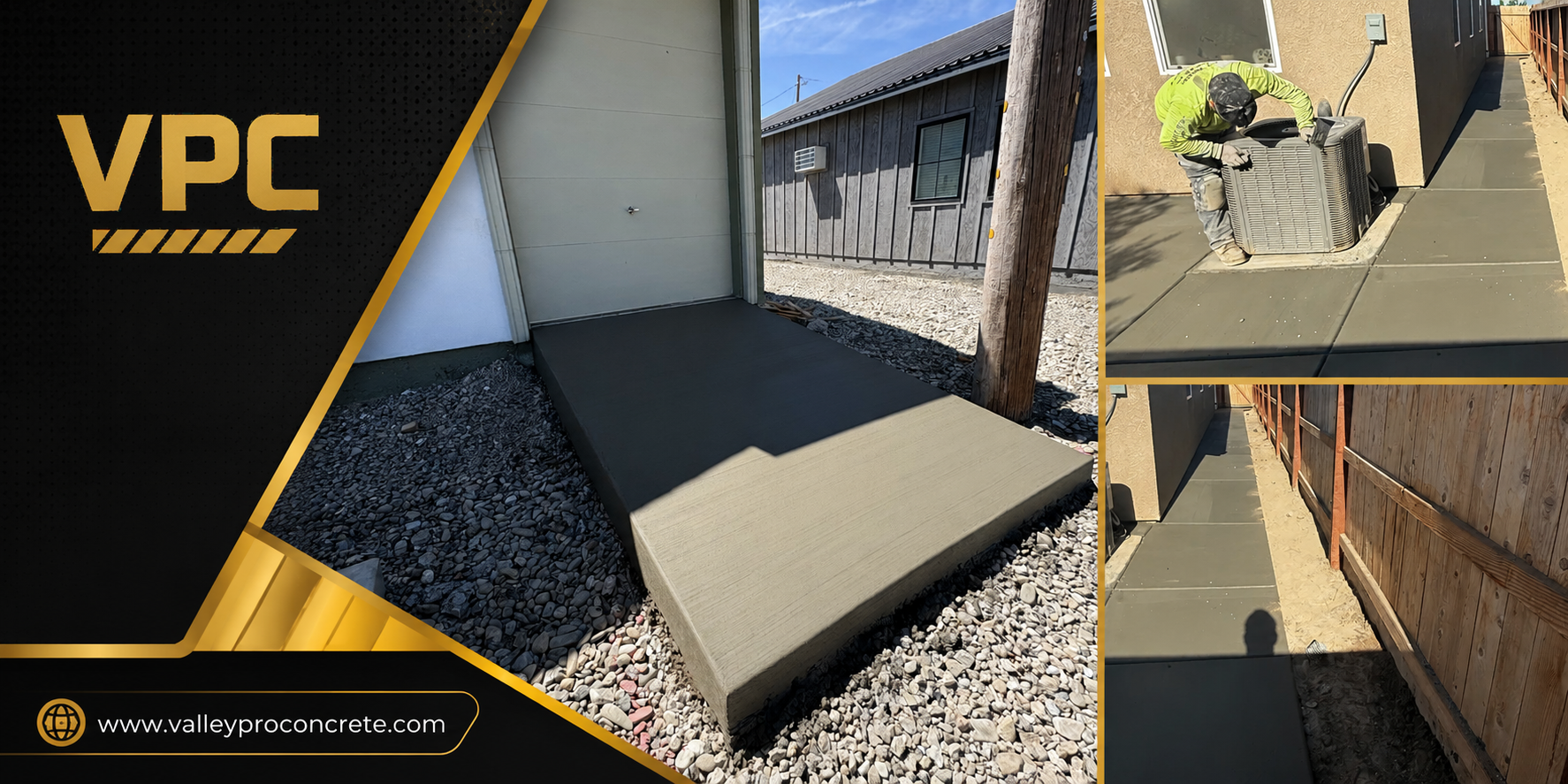
This is where concrete installation Turlock homeowners rely on becomes relevant rather than repeatedly repairing a failing slab, a fresh, properly reinforced pour with correct drainage grading can outlast several rounds of patchwork repair. It’s a bigger job upfront but often cheaper over a ten-year horizon.
A good contractor will always tell you honestly whether you need a repair or a replacement if a company only ever recommends the more expensive option, that’s worth questioning. Ask to see examples of past work; you can browse recent completed concrete and foundation projects to get a sense of finish quality before you decide.
Choosing the Right Foundation and Concrete Driveway Contractors
The contractor matters just as much as the repair method. Foundation and concrete work is not an area to shop on price alone a poor repair can cost more to undo than the original damage.
What to Look For
- Licensed and insured for structural and flatwork concrete in your state
- A written warranty on both materials and labour
- Willingness to explain the cause of the damage, not just the fix
- Recent local reviews and photographs of similar jobs
- Clear, itemised quotes with no vague allowances
If your driveway, patio or garage slab is part of the problem, look for concrete driveway contractors who also handle structural work, since foundation settlement and exterior slab failure are often diagnosed together. You can read more about how to spot the signs you need a professional foundation contractor if you’re still unsure whether your symptoms warrant a full inspection.
Protecting Your Furniture During Foundation Repair Work
Foundation work is disruptive by nature floors get lifted, walls get accessed, and heavy equipment moves through the house. If you’re planning repairs, protecting your furniture properly saves both money and heartbreak.
Before Work Begins
- Move freestanding furniture at least six feet from any interior work zone
- Empty and remove drawers from cabinets and dressers near the affected area to prevent shifting damage
- Use furniture sliders or moving blankets under heavy pieces like sofas, wardrobes and bookcases
- Cover upholstered furniture with breathable dust sheets plastic sheeting traps moisture and can cause mildew
After the Repair Is Complete
- Let the repaired slab or pier settle for the timeframe your contractor recommends before repositioning heavy furniture
- Check that floors are genuinely level again with a spirit level before placing back items with fixed legs, like dining tables
- Inspect furniture joints and legs for stress cracks that may have developed while the floor was uneven
If your home also needed exterior work a new driveway pour or patio replacement keep patio furniture and planters well clear of the curing area for the full cure time, typically 7 days for foot traffic and up to 28 days for full strength.
Expert Tips Before You Start
- Get a soil test if your home sits on expansive clay it’s the single biggest predictor of future movement
- Fix gutters and grading before repairing the foundation itself; otherwise water will undo the repair
- Don’t ignore small cracks under 1/8 inch, but don’t panic over them either track their width monthly with a pencil mark and date
- Ask whether the repair comes with a transferable warranty, which matters if you plan to sell
- Schedule furniture and flooring work only after the foundation has fully settled post-repair
Conclusion
Foundation repair is one of those jobs that rewards early action and honest information. Spotting the signs early, understanding which repair method actually fits your situation, and choosing a contractor who explains the ‘why’ behind their recommendation will save you money and protect the home and the furniture you’ve invested in.
If you’re seeing warning signs at home, whether it’s a cracking driveway, a sinking patio, or floors that no longer feel level, it’s worth getting a professional opinion sooner rather than later. Get in touch for a free assessment and find out exactly what your home needs before you start any work.
Ready to fix it right the first time? Request your free quote today or explore our full range of concrete and structural services to see how we can help protect your home’s foundation for years to come.